









Two Complementary Injections
ChondroFiller® and
Arthrosamid®
Both are clinic-delivered, ultrasound-guided injections, and they target different parts of the joint. ChondroFiller® coats the cartilage at the load-bearing bone surfaces; Arthrosamid® integrates into the synovial lining. Because they address different anatomical structures, they can be used together as a staged plan when assessment supports both. The injections are delivered at separate, spaced appointments, not in the same session. Here is what each does on its own and how they are used together.
 Reviewed byProfessor Paul YF Lee MBBch, FRCS (Tr & Orth), PhDCartilage and joint preservation expertise
Quick Answer
ChondroFiller® and Arthrosamid® work on different parts of the same joint, and they have different intended roles. ChondroFiller® coats the cartilage at the load-bearing bone surfaces and supports natural cartilage restoration over six to twelve months (£3,000 to £8,000 depending on box quantity). Arthrosamid® is a hydrogel that integrates into the synovial lining and cushions the joint from the inside. Its observational cohort reports group outcomes through 24 months, not a guaranteed duration, and current treatment starts at £3,000. A combined plan is built from a clinical rationale for each component and delivered in stages at separate appointments.
The Headline Difference
ChondroFiller® vs Arthrosamid® — the key difference
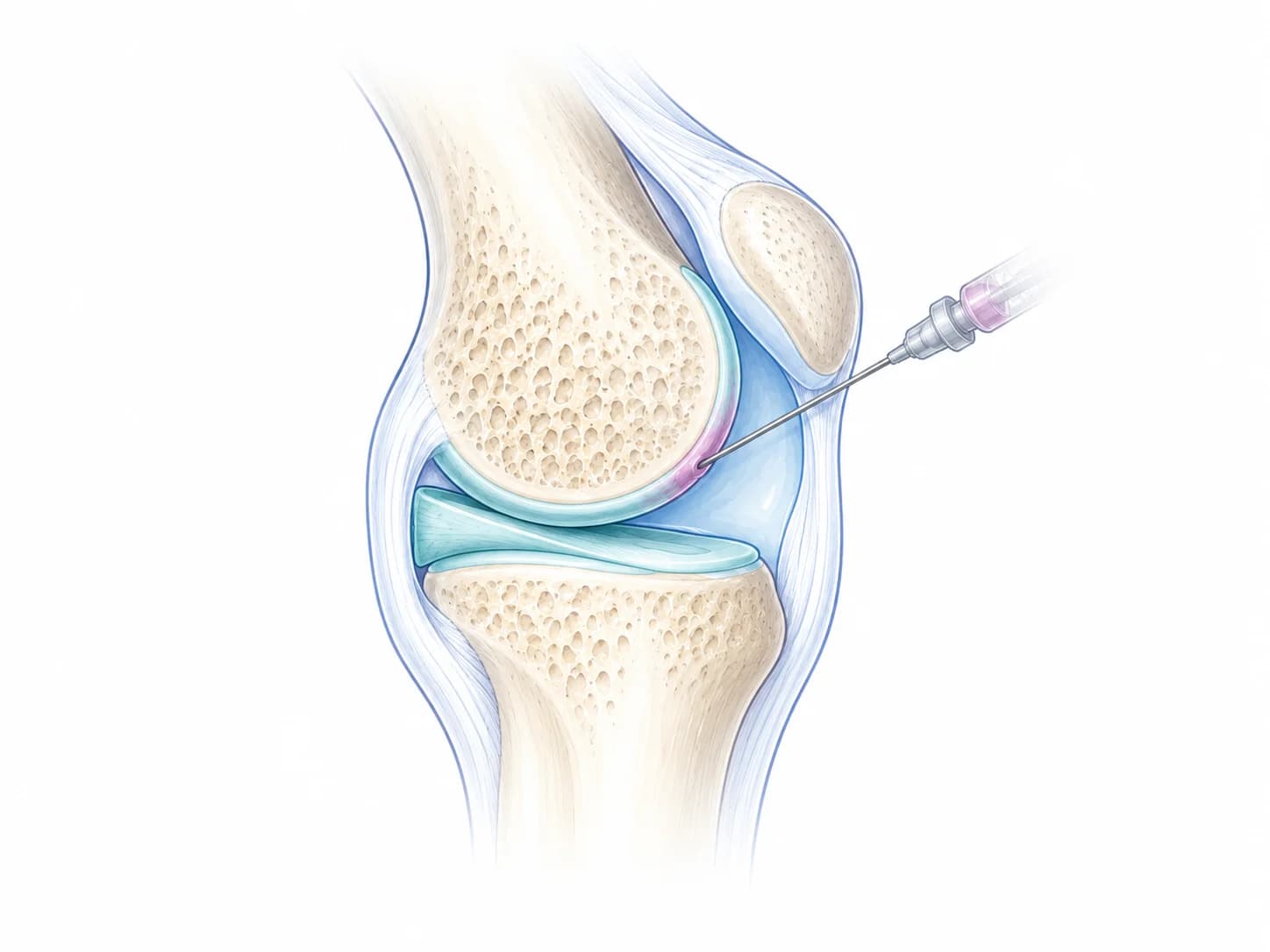
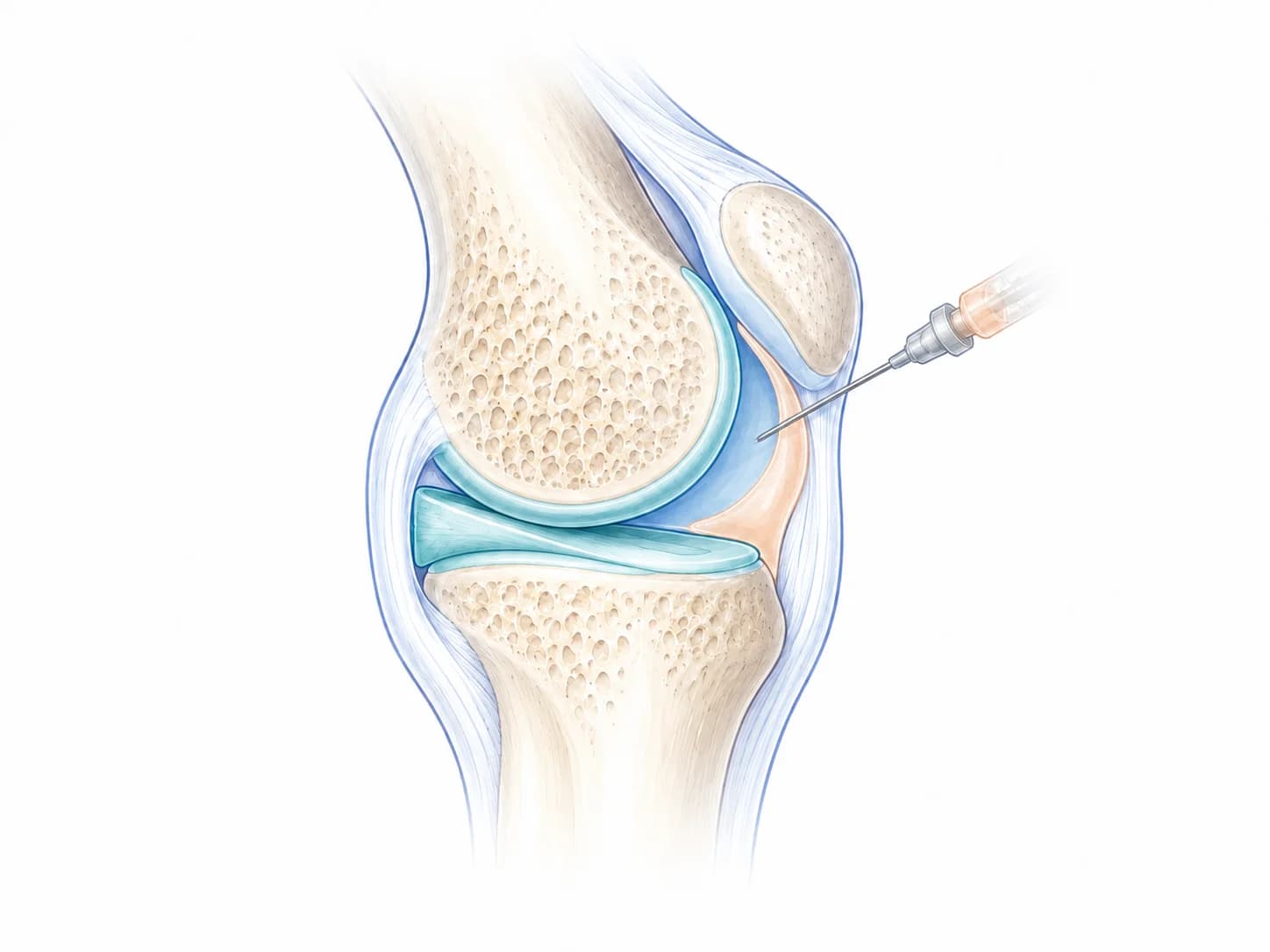
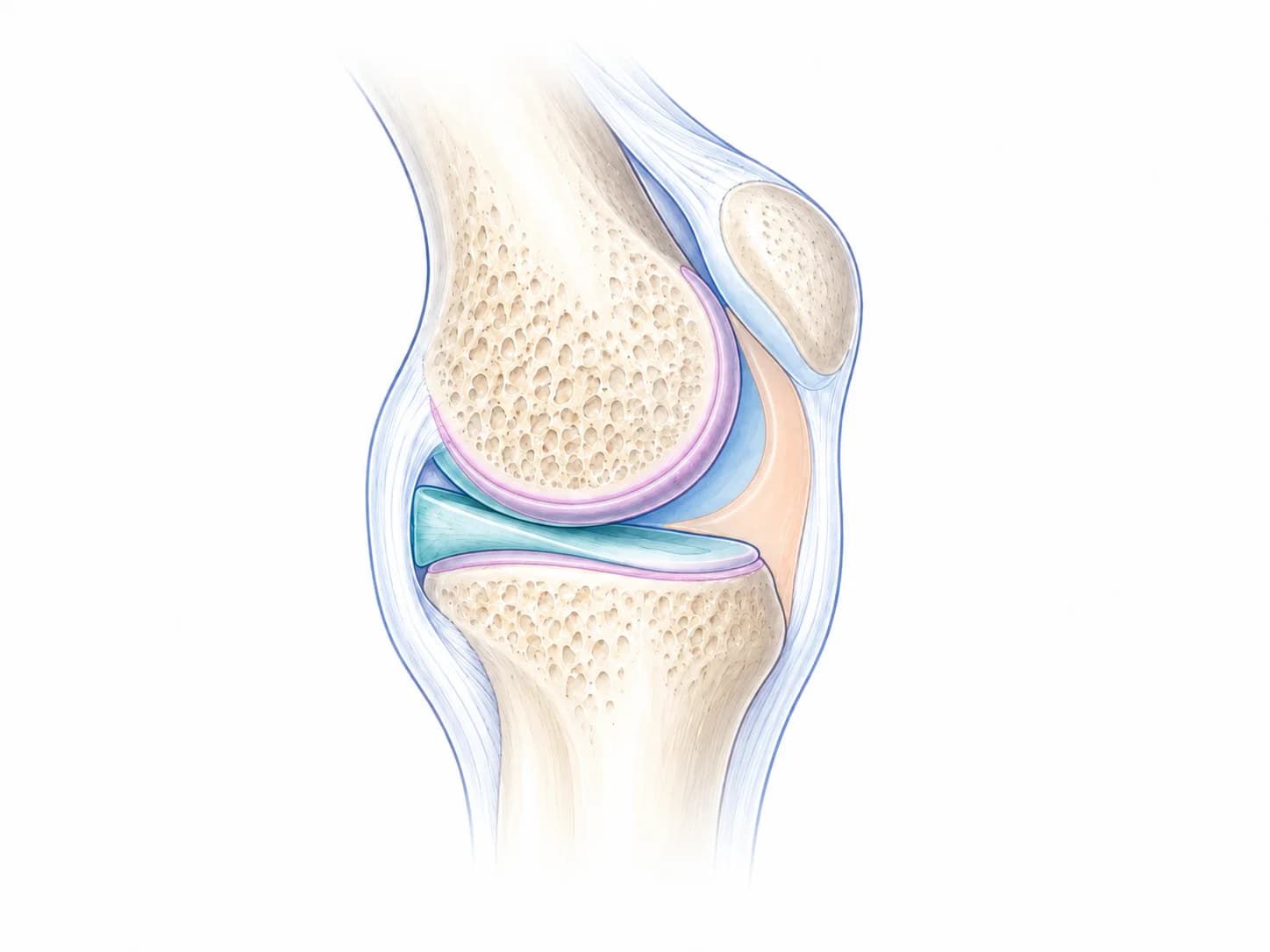
ChondroFiller® is a collagen scaffold delivered onto the cartilage at the load-bearing bone surfaces, where it coats and restores the cartilage layer; the body’s own cells then migrate in and lay down new matrix over six to twelve months. Arthrosamid® is a polyacrylamide hydrogel that integrates into the synovial lining of the joint and cushions it long-term; it is mechanical, not regenerative. The two treatments target two anatomically distinct parts of the same joint, which is why they complement each other: one restores the cartilage surface, the other cushions the joint. If both are indicated, they are spaced apart rather than administered in the same session.
Mechanism of Action
How each treatment works

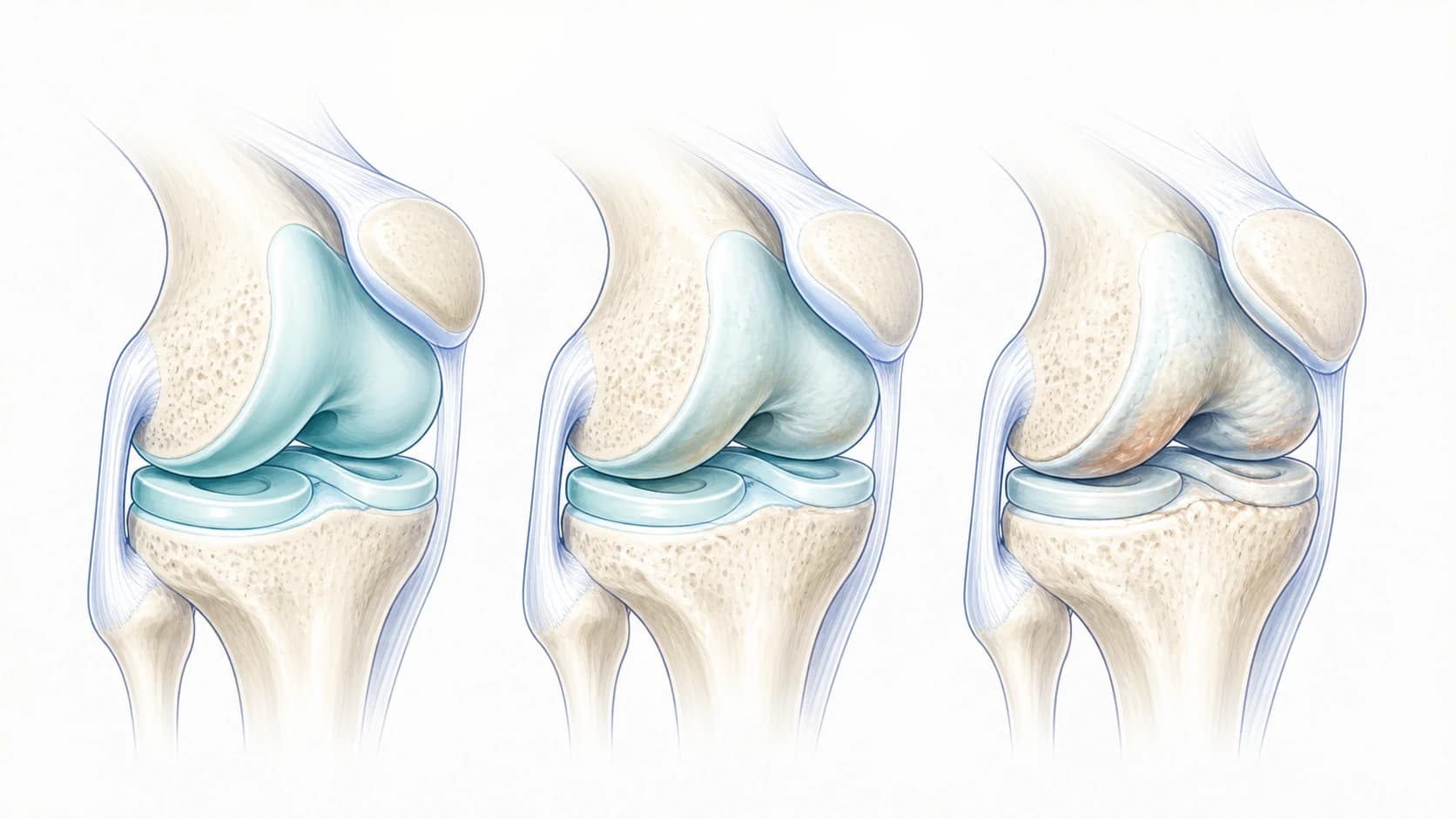
ChondroFiller® is a sterile type I/III collagen scaffold injected as a liquid into the joint under ultrasound guidance. Within minutes it sets in place and coats the cartilage layer at the load-bearing bone surfaces, restoring the surface across the joint in a single delivery.
The patient’s own cells then migrate into the scaffold and lay down new cartilage matrix over the following six to twelve months. ChondroFiller® coats, protects and supports natural cartilage restoration; it does not mechanically cushion the joint.
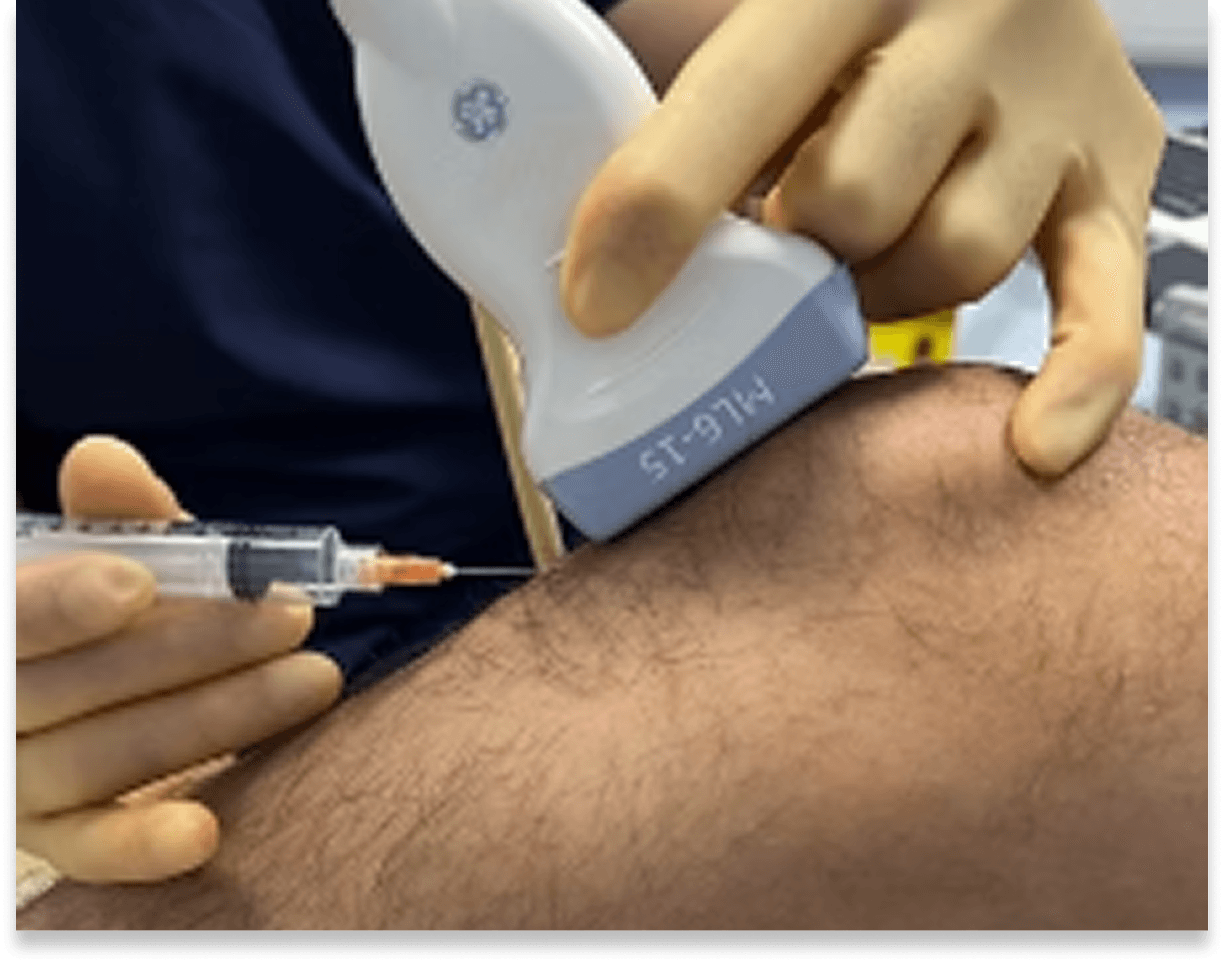
Arthrosamid® is a 2.5% polyacrylamide hydrogel injected into the joint cavity under ultrasound guidance. The gel integrates into the synovial membrane and acts as a long-term cushion.
It works mechanically by cushioning and lubricating the joint. It does not regenerate cartilage, does not reverse arthritis and does not alter the joint surface.
How Long Results May Last
Duration and number of injections
Tissue formation over 6–12 months
Outcomes reported through 24 months
Direct duration comparison is misleading. ChondroFiller® coats and restores the cartilage surface across the joint; Arthrosamid® controls symptoms by cushioning the synovial lining. We measure their success differently.
Treatment Course
Number of injections
Typically one injection course, with the box quantity (one, two or three) decided from MRI: one box treats most defects up to roughly 2 cm², two or three for larger or multi-zone defects. A second course is rarely needed if the original tissue establishes.
One injection is the standard treatment course in suitable patients. A further Arthrosamid® treatment may be considered at a future date if symptoms recur and the joint is still suitable.
Safety and Infection
Safety considerations
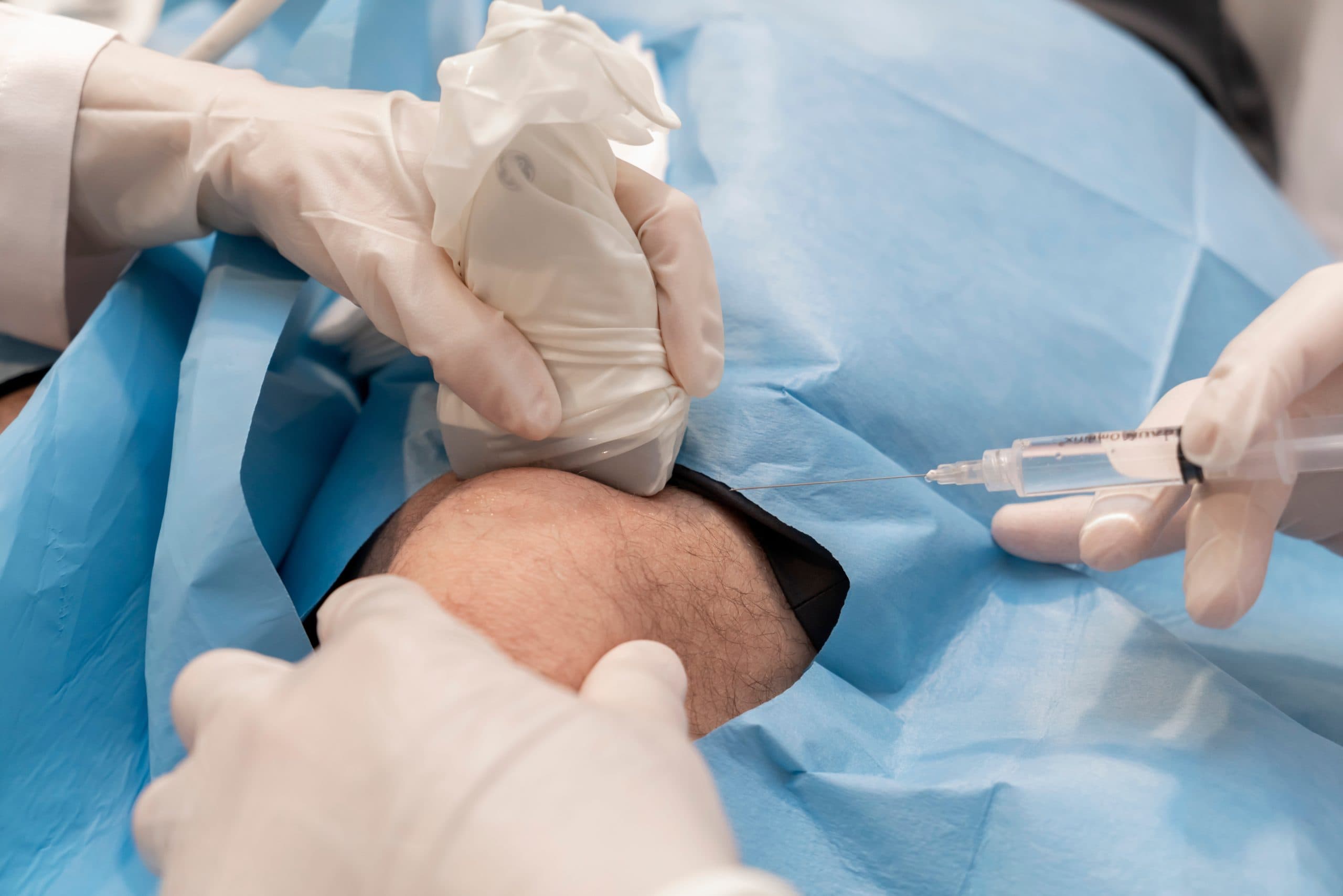
Both are outpatient injections and both carry risks, including joint infection. London Cartilage Clinic uses ultrasound guidance, a sterile field and its documented antibiotic protocol. These precautions reduce avoidable risk but cannot eliminate infection or guarantee placement or outcome.
ChondroFiller® placement is defect-specific, so ultrasound guidance is not optional — it is the difference between filling the defect and depositing scaffold into the joint space. See Arthrosamid® infection risk and prevention for the injection-specific protocol that applies to both products.
Patient Selection
Who each treatment may suit
ChondroFiller® coats the load-bearing cartilage surface of the joint, whether the wear is a contained focal defect or diffuse across the surface. There is no upper age limit and no defect-size limit on the injection. It is delivered to the cartilage at the ends of the bones, the part of the joint where bone meets bone under load. See who is suitable for ChondroFiller?.
Arthrosamid® is for patients with established knee osteoarthritis who want long-lasting symptom relief without surgery, where an inflamed synovial lining is driving a meaningful part of the pain. See who is suitable for Arthrosamid?
Many patients have a reason to consider both products: cartilage wear at the bone surfaces and a joint that needs cushioning. Each has its own indication and consent, and the injections are delivered at separate appointments, with the interval set as part of the treatment plan. Imaging, history and examination together shape that plan.
Cost and Value
What each treatment costs
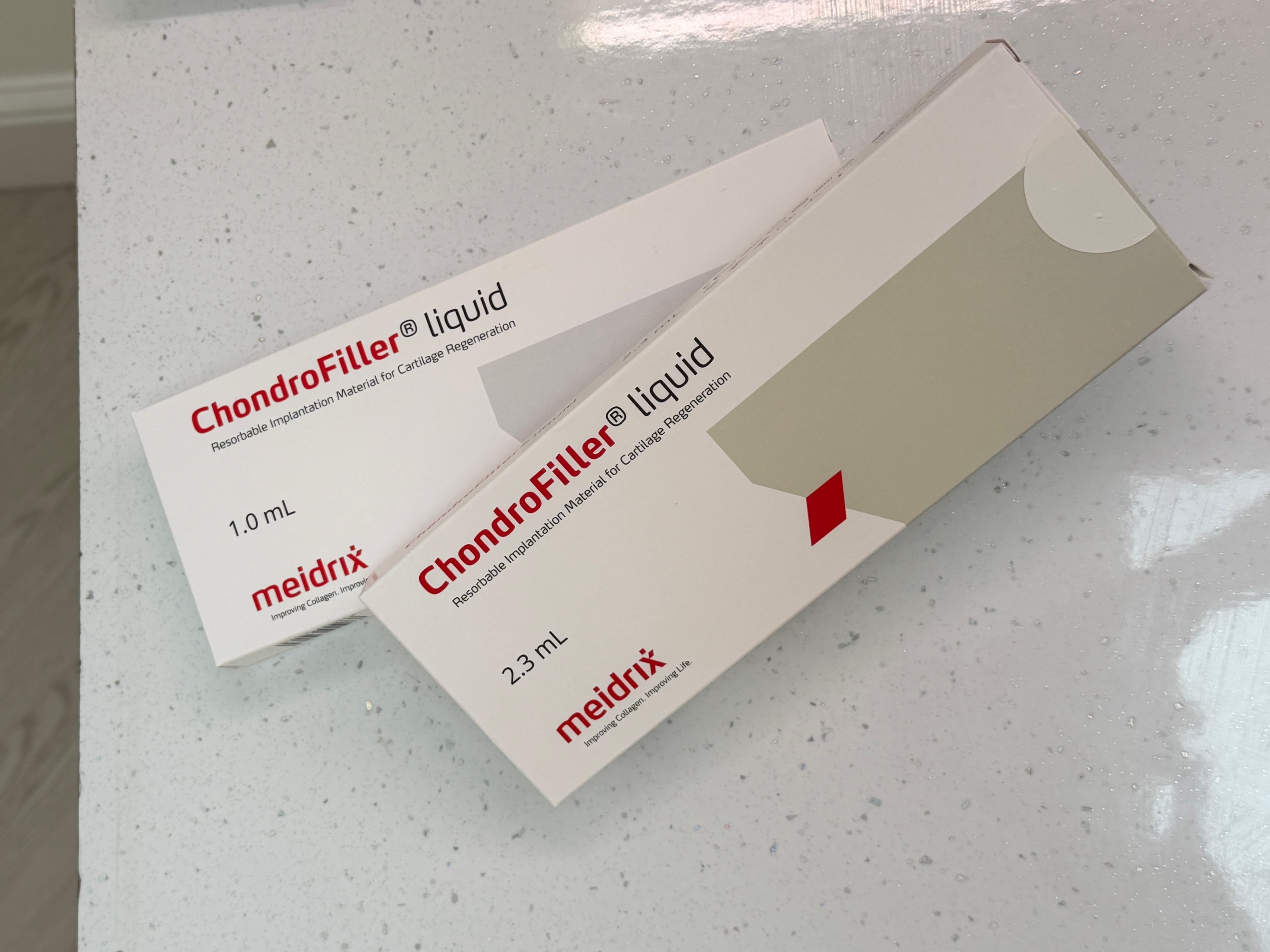
At London Cartilage Clinic, ChondroFiller® costs from £3,000 for one box, £5,500 for two and £8,000 for three. The box requirement is set from MRI, not by upsell. See the ChondroFiller® cost guide.
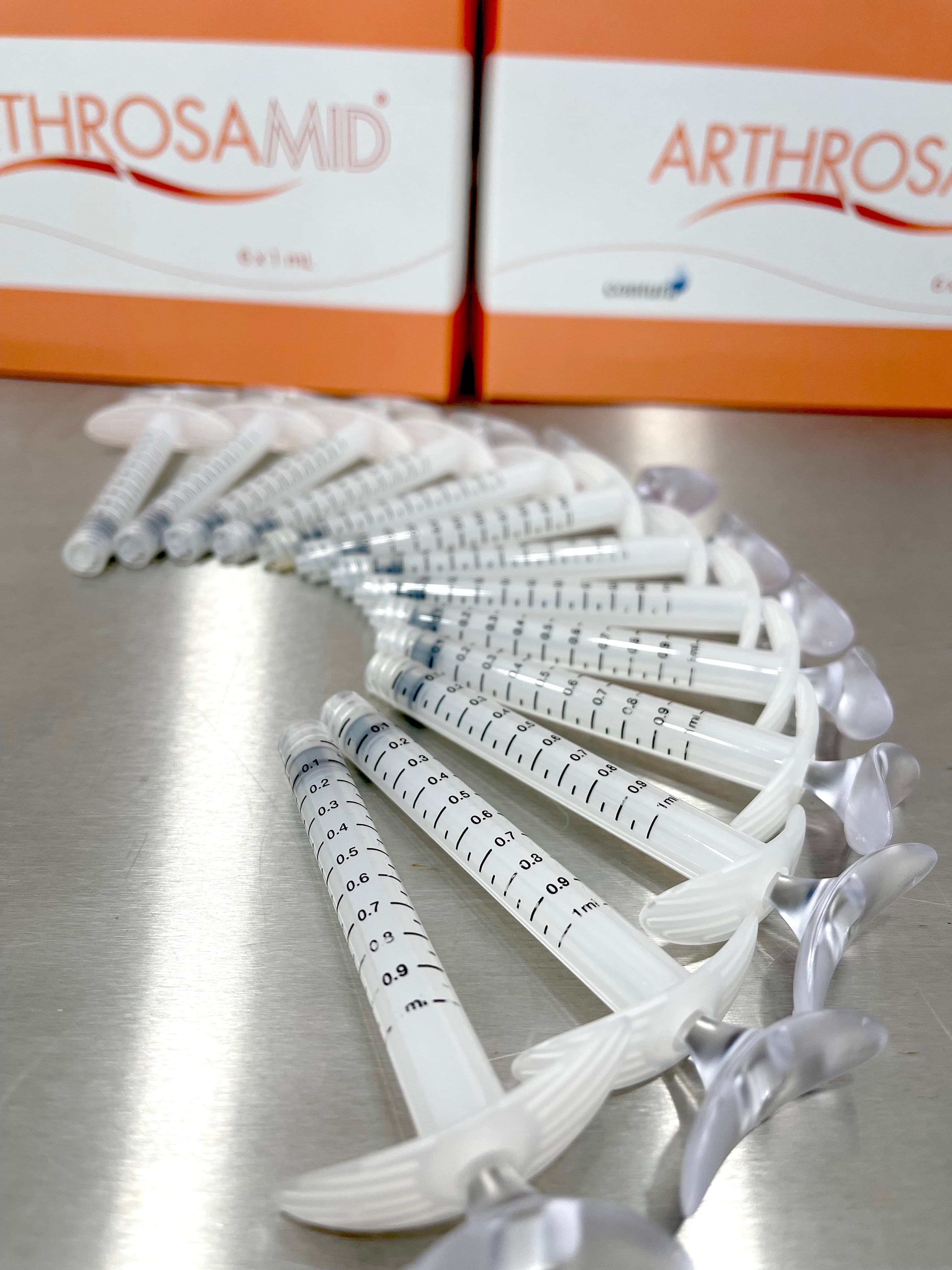
Arthrosamid® at London Cartilage Clinic is from £3,000 for one box, inclusive of ultrasound, the product, the fifteen-step injection protocol and the six-week follow-up, with the consultation (£350) charged separately. See the Arthrosamid® cost guide.
Both prices cover the named clinician, named injection and named follow-up, with the consultation charged separately. The right comparison is clinical fit, not headline number.
Our Honest Take
When we may recommend each
You have cartilage wear visible on MRI, whether a contained focal defect or diffuse across the joint surface.
You want a treatment that coats and protects the cartilage at the load-bearing bone surfaces, with no upper age limit and no defect-size limit.
You want a meaningful intervention before, or instead of, considering joint replacement, including as part of a staged plan with Arthrosamid® where the synovial lining is also driving symptoms. ChondroFiller and Arthrosamid are delivered at separate appointments.
You have established knee osteoarthritis with whole-joint symptoms.
You want long-lasting symptom relief from a cushion that integrates into the synovial lining, with realistic expectations of what an injection can and cannot do.
You want to consider non-surgical symptom management while accepting that Arthrosamid has not been proved to delay knee replacement.
When both are indicated
How a staged plan works
When MRI and examination show wear at the cartilage surface and a lining that is driving symptoms, the two injections are planned as separate appointments so each product can settle into its own structure.
- 1
Consultation and MRI review
Professor Lee reviews your scans, history and examination, and confirms which structures need treating and in what order. - 2
First injection
An ultrasound-guided outpatient visit at 66 Harley Street. Most patients walk out the same hour. - 3
The interval
The gap between appointments is set as part of your plan, with the first product left to establish before the second is placed. - 4
Second injection
The other product is delivered to its own target, again under ultrasound guidance. - 5
Follow-up
Review at six weeks, with onward physiotherapy available if it will help your recovery.
When Each Is The Wrong Answer
When we would not recommend each
A single contained focal defect in an otherwise healthy joint with strong biological capacity for regeneration, where the Liquid Cartilage™ surgical regeneration pathway may be a more targeted intervention.
Untreated joint instability or major malalignment, where the mechanical problem needs to be addressed first.
Active infection or unwillingness to accept the conservative safety protocol.
A patient looking for cartilage restoration: Arthrosamid® works on the synovial lining, not the cartilage at the bone surfaces. ChondroFiller® is the right answer for that, and a staged plan may include both where each has a separate rationale. They are spaced apart and not delivered in the same session.
End-stage disease where joint replacement is the clinically appropriate path.
Patients expecting Arthrosamid® to regenerate cartilage; that is not what the treatment does.
The Bottom Line
In summary
ChondroFiller® and Arthrosamid® are both ultrasound-guided clinic injections, but they work on different parts of the joint. ChondroFiller® coats the cartilage at the load-bearing bone surfaces; Arthrosamid® integrates into the synovial lining. Because they treat two different structures, a staged plan can use both. When both are indicated, the injections are delivered at separate, spaced appointments. Where the pattern of damage points to one alone, we recommend just that one. Where a surgical pathway is a better fit, we say so honestly, and the Liquid Cartilage™ pathway is one of the options we will discuss.
ChondroFiller® vs Arthrosamid®
Frequently asked questions
Can I have both ChondroFiller® and Arthrosamid® in the same session?
No. If assessment supports both, ChondroFiller® and Arthrosamid® are delivered at separate, spaced appointments rather than in the same session. The two treatments target different parts of the joint: ChondroFiller® coats the cartilage at the load-bearing bone surfaces, while Arthrosamid® integrates into the synovial lining, so staging lets each settle into its own structure. Each has its own rationale and consent, and imaging and examination set the interval between appointments.
Which one regenerates cartilage?
ChondroFiller® supports natural cartilage regeneration by providing a scaffold for the body’s cells to lay down new matrix over six to twelve months. Arthrosamid® does not regenerate cartilage; it is a mechanical hydrogel cushion that integrates into the synovial membrane.
Which has more clinical evidence?
Both have published cohort data. The London Cartilage Clinic/MSK Doctors Arthrosamid® cohort included 269 patients and 314 knees with 24-month follow-up, but no randomised control group. ChondroFiller® has cartilage-specific outcome data (IKDC, Harris Hip Score, MOCART MRI) and over 19,000 cases of clinical use across joints. See the ChondroFiller® clinical evidence page.
Why is ChondroFiller® priced by boxes when Arthrosamid® is a flat fee?
A ChondroFiller® scaffold has to fill the defect; box quantity is set by defect size on MRI (one, two or three). Arthrosamid® is dosed by joint, not by defect size, so a single box covers the standard knee injection.
I have arthritis with one bad spot, which is right for me?
That is a consultation question, and the answer is often one of them, sometimes both. ChondroFiller® addresses cartilage wear at the bone surfaces, including a focal bad spot and any wider surface wear. Arthrosamid® is intended for symptomatic adult knee osteoarthritis and, if also indicated, is delivered at a separate appointment. We review the MRI, history and examination and recommend only the component or pathway with a defensible rationale.
Is one safer than the other?
A simple claim that they have the same safety profile would be misleading. Both are outpatient injections and both carry infection and procedure-related risks; Arthrosamid is non-absorbable and has product-specific contraindications and antibiotic requirements. London Cartilage Clinic uses ultrasound, a sterile field and its documented antibiotic protocol, without claiming these eliminate risk.

Book a ChondroFiller® Assessment – London
Natural cartilage regeneration starts with the right defect, the right operator, and the right plan.